At a Glance
- More Control Over Movements - Your baby's getting stronger and will soon be holding their head up unsupported if not already.
- Understanding the World - This month will be a curiosity overload for your little one.
- Social Butterfly - They love familiar faces and might even crack a smile or let out a giggle when they see someone they know.
- Establishing a Sleep-Wake Cycle - Your baby is starting to establish their own sleep-wake cycle, also known as a circadian rhythm.
- Feeling Like Yourself Again - By the fifth month, you're likely starting to feel more like yourself again after giving birth.
Your little problem-solver!
The milestones your baby continues to reach have not stopped yet! You are watching your little one learn and grow in front of your eyes. This week is when most babies will begin to imitate the actions of those around them.
Your baby might make your heart melt when they stretch their arms out to you, signaling they want you to pick them up for the first time. Hang tight because now that the milestones have begun, they will continue reaching many more for a while!
By month five of your little bundle of joy’s life, they will often exhibit acts of physical and mental progression. Your baby might even look your way and show emotion whenever you call their name. Based on the tone of your voice, your baby might react differently now, which is a huge milestone.
Development
You can expect your baby to weigh around fifteen pounds by now, but weight can easily vary from child to child. Now that they are becoming familiar with putting things in their mouth, keeping them away from small objects that they can choke on is crucial. Some babies may be capable of sitting up on their own by now, but it is also common for some to require support from you or a pillow.
Baby Health
Your baby's immune system is not as strong as it will eventually become, leaving them vulnerable to the common cold and flu. While runny noses can be expected as a sign of teething, if you notice a consistent one, an additional fever, and constant crying from your baby, consult their pediatrician to rule out any sicknesses. Your baby is also still prone to colic at this stage. As their mother, you know your baby best, so trust your instincts if you sense something is off with your baby.
Teething
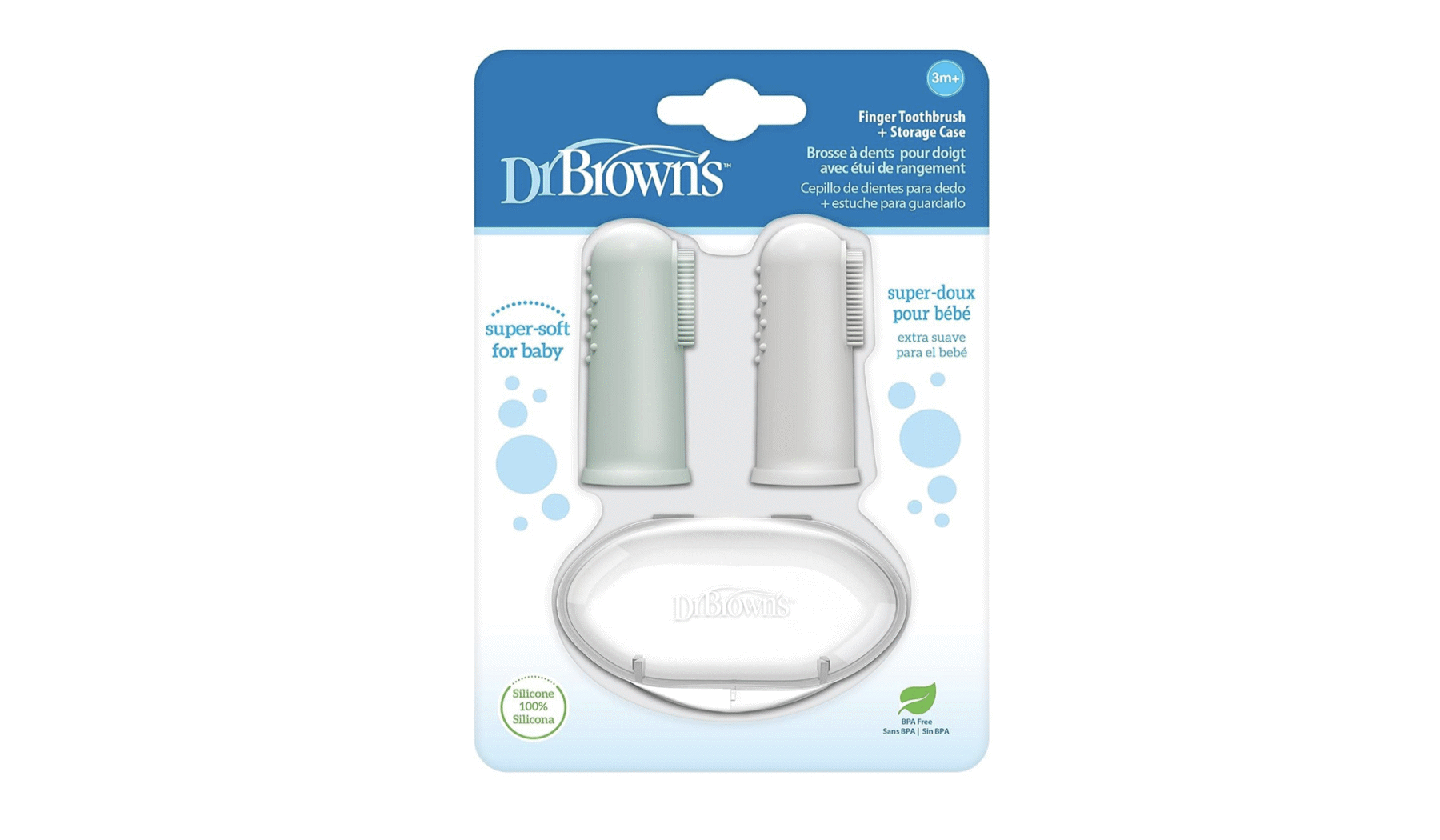
Any discomfort or distress your baby experiences this week likely corresponds to their teething. The teething stage can proceed for several months to years and come with many symptoms. Your baby may develop a runny nose, red cheeks, and even a fever while they go through this stage of their life. The first teeth to come in are usually the two center bottom teeth. Good oral hygiene is important for anyone, so once your baby's teeth begin coming in, it is time to start brushing them. In the beginning stages, do not use toothpaste on your baby's teeth; a simple, soft-bristled toothbrush with water will get the job done. You can even book a visit with a pediatric dentist if you have concerns regarding your little one's oral hygiene.
Problem-Solving
Your little one will also begin to demonstrate early problem-solving skills. They may start reaching out for objects just out of their reach or trying to grasp and manipulate objects. You'll likely spot them trying to pull the bottle towards their mouth more often during feeds, and with their growing strength, this might make feeding take a little bit longer sometimes.
Encourage their new-found problem-solving abilities by offering age-appropriate toys that require exploration and manipulation. Soon, you'll notice them recognizing the cause-and-effect function of some of their favorite interactive toys and actively trying to press the buttons needed.Common health issues mothers experience this week of their postpartum journey have to do with mental health conditions. Brief feelings of sadness, stress, and anxiety are normal and expected. If these feelings persist for two weeks or longer, you might want to seek professional advice. Postpartum depression, anxiety, and obsessive-compulsive disorder may still be present at this time, too, during this pivotal stage of postpartum.
Engaging in small acts of self-care this week can benefit your well-being. Simple things such as meditating, getting your haircut, doing your makeup or nails, or getting them done at a salon are all acts of self-care that can be done when you have a free hour or so and do not require rearranging your whole schedule. Ensure you also get enough sleep, as this is one of the simplest ways to improve your mental and physical health. Getting enough sleep can be easy if you and your partner work together and take turns tending to your baby's needs throughout the night. Teamwork is a huge help during this time.
Incorporating Activity Around Your Baby
Finding time to leave the house as a new mom can be difficult. Still, with a little creativity, you can incorporate social and physical activities into your routine, even if you don't have childcare for your little one.
Going for walks with your baby in the stroller is an ideal way to enjoy fresh air, spend time with your little one, and get low-impact exercise. You can gradually increase the duration and intensity of your walks as you feel comfortable to improve the physical benefits.As you know, playtime can double as fun and educational too! Some activities to continue encouraging your child's physical and mental development include activities that spark curiosity and creativity. Floor time is a fun opportunity for your baby to explore their surroundings.
With supervision, placing a mat on the floor will allow your baby to roll and move around, discovering more than what was visible from their crib. Floor time is also a safe option that prevents them from rolling off anything or falling from a distance.
Encourage them to practice sitting up independently while enjoying floor time with your baby. You can provide pillows to help prop them up if necessary. Another activity you can tie into floor time is encouraging your baby to follow the direction of sound. Whether your baby is sitting up or enjoying rolling around, grab a toy that makes music or sound.
Continue making sounds with the toy until you capture your baby's attention and they look your way. Repeat this activity, changing the direction of where the sound is coming from each time!
While your little one begins enjoying floor time and spending more time doing so, it may be a sensible time to invest in a ground mattress or foldable mat for them to play on. Now that they can roll over and around, these options can help prevent any possible injuries. Any toys that double as teething toys are a great investment as well; just make sure they are not too small.
It is important to keep your little one's toys sterile, as they will likely wind up in their mouth. This will prevent germs from building up on the toys and entering your baby's body.If your child has begun teething, teething toys will be a great addition to have on hand, as well as several bibs to catch their drool throughout this stage. These tips and tools will help ensure your baby remains on a developmentally appropriate track.
Fighting for more independence!
We know by now that all babies develop at different rates. Still, if there is no exact timeline of when each milestone should be reached for parents to follow, it is easy to worry that your little one is falling behind. While you can expect different things from different children at different stages of development, there are several things that your little one should have mastered by now.
Some things all five-month-old babies should be capable of include holding their heads up on their own, holding small objects, bringing their hands to their mouths, and pushing off their tummies using their arms. Your baby should have experienced a growth spurt by now as well. If you have any concerns that your little one's development is not where it should be, do not hesitate to contact their pediatrician for advice.
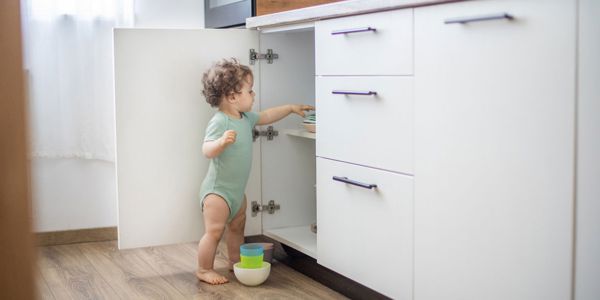
Your little one's mobility will continue to flourish each week. You can expect them to start scooting around more and maybe even crawling. If you still need to do so, this is the time for you to babyproof your home. Having a crawling baby is dangerous at times.
Babies tend to put anything and everything in their mouths, so keep small objects or things that can harm your little one off the floor and out of your baby's reach at all times. Your little one can possibly hold their own bottle at feeding time, thanks to the increased mobility and control of their fingers. They are also far more aware of their surroundings this week!
Feeding
While some babies can hold their own bottles by now, it is completely okay if your little one is unable to do so yet. At this stage, your little one typically consumes between 24 to 40 ounces of milk daily. This can be either breast milk or formula. It's important to remember that each baby is unique, and their milk intake may vary. Some babies may consume slightly more or less than this range, which is perfectly normal.
As long as your little one is gaining weight steadily, has wet and soiled diapers throughout the day, and appears content, you can rest assured that they're getting enough.
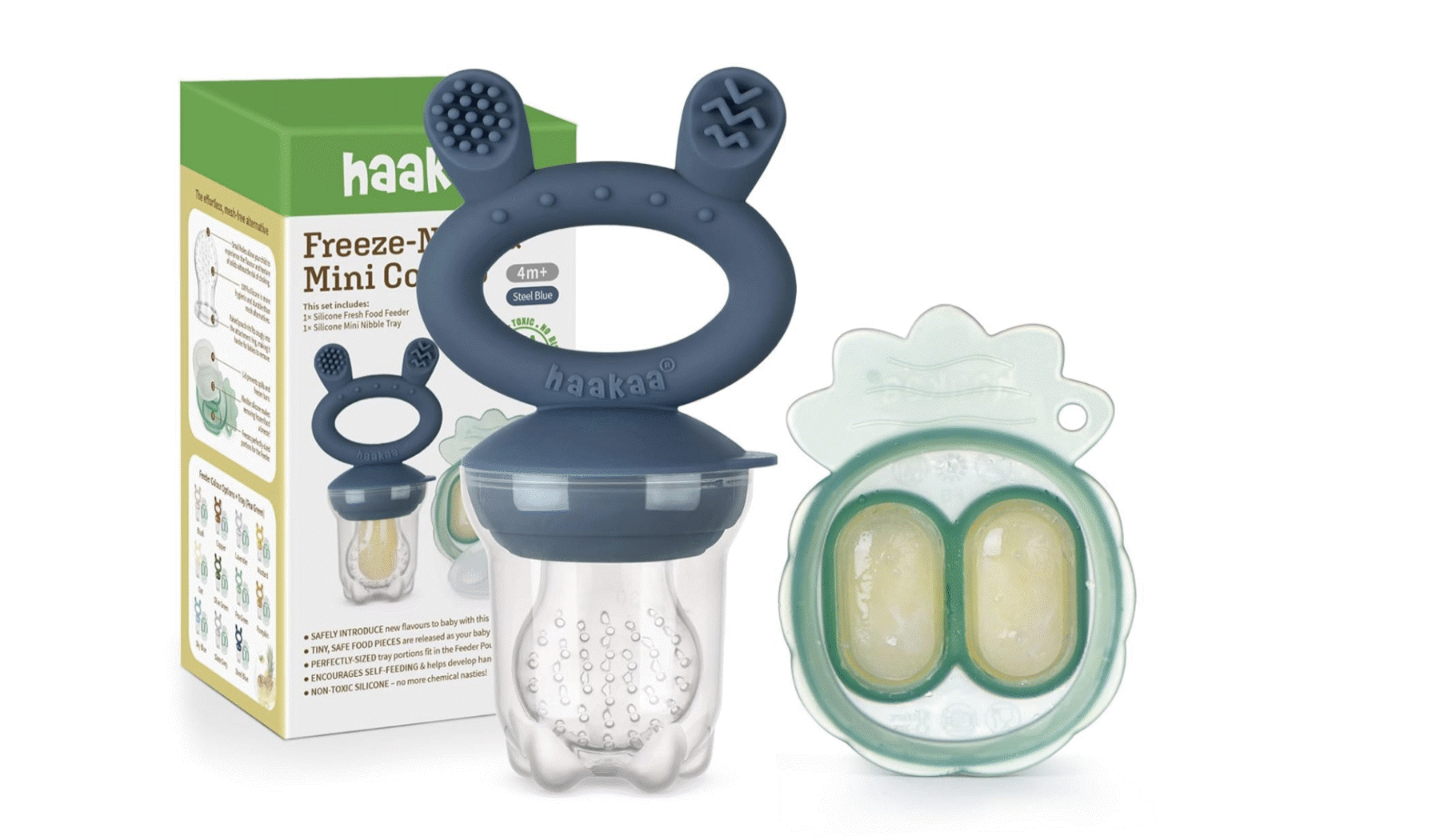
Your baby is likely more intrigued by your actions than they used to be, so they may watch you with envy as you indulge in your meals. Although they still get all the nutrients they need from breastmilk or formula, they may be tempted to take something off your plate and shove it into their mouth. This may be a sign that your little one is ready to begin weaning!
While breastmilk and formula are still their primary food source and offer all the nutrients they need for brain and muscle development, you can slowly start introducing solids to your baby as the weeks progress if you choose to do so. Milk is still essential, so do not cut it out.
Breast milk also contains hormones that help digestion and appetite control and aid in better sleep for your baby. Soon enough, your little one will be able to digest all sorts of foods, but for now, keep the primary source of their food milk!
Skipping the Late Afternoon Nap
Around this time, some babies may start skipping their late afternoon nap. As they sleep better for longer stretches, they rely less on short naps throughout the day. If your little one seems less inclined to nap in the late afternoon, it might be a sign that they are transitioning to a new sleep pattern.
Instead of forcing the late afternoon nap, consider shifting their schedule to have a slightly earlier bedtime. Or, ensure that your baby gets enough sleep during the day by providing longer morning and early afternoon naps.
Remember that these shifts don't happen instantly. Some days, your little one might not seem tired and want to skip their late afternoon nap, and the next, they'll be nodding off. It can take weeks to adjust to a new set sleep schedule. Adjusting their daily sleep routine in response to these changes can help maintain a good sleeping pattern.While it may take a while to regain your full pre-pregnancy strength and muscle tone, you are getting stronger each week. Many women still experience postpartum hair loss at this point of recovery, which is an inevitable part of the journey. Although there isn't much you can do to prevent this, cutting your hair shorter can help it feel and look fuller.
If you are dealing with breastfeeding problems, do not feel discouraged. If pumping and staying motivated is a struggle for you these days, you can speak with a lactation specialist and switch to a different feeding technique, such as formula. If you begin supplementing with formula or take a break from breastfeeding, you may notice your period return if it has not already.
It can be easy to overwhelm yourself with thoughts and fears, but don't be discouraged or ashamed if you need to start supplementing or re-evaluating your feeding style. Contact family, friends, or professionals for support, encouragement, and advice!
Spending Time Without Your Baby
Whether for a short outing, a night of uninterrupted sleep, or returning to work, spending time without your baby for the first time is a huge step. It is important to acknowledge that mixed emotions are completely normal during this time.
If you're looking to spend time away from your baby for the first time, here are a few tips to ease the transition:
- Start with short periods: Leave your baby with someone you trust, such as your partner, a family member, or a close friend, for short intervals. This gradual approach helps you to build trust and confidence while ensuring your baby's safety.
- Maintain open communication: Before leaving your baby, discuss your concerns and expectations with the person looking after them. Share any important details such as feeding schedules, sleep routines, and your baby's specific needs. You can also ask for regular updates during your absence for reassurance and to help you feel connected.
- Start with small trips: If you're leaving your baby with a new caregiver for the first time, keep the outing within the local area. This way, you're nearby if they need you to come back for any reason, and you can rest assured that you aren't too far away from your little one, which can help ease the anxieties you're feeling.
By this week, is it likely that your little bundle of joy has a favorite toy or a genre of activities they navigate toward. Toys are great for keeping your baby occupied while you get things done around the house or nearby. For times that you are able to play with them, there are certain activities you can engage in to help strengthen and improve your baby's cognitive and motor skills.
One activity that provides these benefits for your baby is having them grab toys on their own while you encourage them to do so. During floor time, you can lay out their toys a little further than they can reach so that they are required to move and be mobile. Spread the toys a few inches away from them and motivate your baby to go for the toy by rolling, crawling, or scooting to it!
If your child does not show interest in this activity or begins to get frustrated, go back to regular tummy time and floor time until they calm down. Continue encouraging your little one to try this activity again until they succeed. Once your baby gets the hang of this activity, help them try to drop or release the toy and then pick it back up on their own. This activity will exercise your baby's eyes, wrists, and grip.Babyproofing your home is essential now that your little one is getting more mobile and curious. To begin the process of baby proofing, bend down to your baby's level to understand what they see.
For starters, you will definitely want to ensure all electrical outlets are covered, smoke and carbon monoxide detectors have been installed, choking hazards are removed, and baby safety gates are secure at the top and bottom of any staircases. Once you have completed these basic steps, get started on individual rooms.
Your baby's nursery is where they will likely spend the majority of their time, so baby proofing this room is vital. Remove all blankets and stuffed animals from your baby’s crib to prevent any risk of suffocation. When exploring changing table options for your baby’s nursery, look for a sturdy one with two-inch guardrails on all sides to prevent him from rolling off.
From toxic cleaning products to sharp utensils, the kitchen is a dangerous place for your baby to wander around in as well. Door latches are a great item to purchase to keep your child safe from any dangerous or breakable items.
We recommend keeping any medications, breakable items, cleaning products, and sharp items in drawers or cabinets with door latches or safety latches. Invest in knob covers to prevent your little one from accidentally turning on the stove, and turn pot handles towards the back when cooking.
Always unplug appliances and store cords out of your child's reach when not using them. These same ideas go for babyproofing your bathroom; door latches and safety locks should be on all medicine cabinets. When bathing your little one, check the water temperature before letting them in, and always keep the toilet shut.
Weaning fun!
Look at your little one go! It seems as if you just brought them home yesterday, and suddenly, they are learning and growing right before your eyes. You can expect your baby to be pretty curious about their surroundings and easily fascinated by things at this stage. Watching your baby explore new things like toys and sounds can be just as entertaining for you as it is for them.
Friends and family who have been alongside your baby and encouraging them each step of the way will be just as thrilled to watch them begin recognizing their abilities.
As a parent, it is always important for you to recognize your baby's development and achievements. Providing your child with encouragement and support will help them reach new milestones.
Even at this young age, showing your baby that you care and understand her needs will help her continue to flourish and grow each week. You can expect lots of physical and mental advancements from your baby over the next few months as she enters the next stage of her life.
Around now, most babies begin showing signs that crawling is just around the corner! Your little bundle of joy may indicate this by moving forward and backward on their stomach and rolling over.
When you place your baby in their highchair, they will sit up independently while scanning the room for things to grab (like food off your plate)! If they continue to remain curious about what you have on your plate, you might decide it's time to introduce some baby food.
Solids
It's time to start thinking about how you'll introduce solid foods into your little one's diet. To ensure a smooth transition, you'll want to be prepared. Here are some essential things you'll need to help you get ready!
- High Chair: Invest in a sturdy high chair with a tray. This will provide a safe and comfortable space for your baby to sit while eating.
- Soft-Tipped Spoons: You'll need a set of soft-tipped spoons designed for babies. These spoons are gentle on their gums and small enough for their mouths.
- Bowls and Plates: Get a few shallow bowls or plates that are microwave-safe and easy to clean. Opt for ones with suction cups on the bottom to prevent accidental spills.
- Blender or Food Processor: Depending on how you intend to provide baby food, you may need a blender or food processor to puree foods into a smooth consistency for your baby.
- Bibs: If you're concerned about your baby's clothes getting messy, invest in a few bibs. Cloth bibs will quickly absorb foods and liquids, making them difficult to clean off entirely, so plastic or silicone bibs might be an easier option.
Cause and Effect
By this week, your little learner may begin catching onto how toys work instead of thinking they all are meant to go in their mouth. When your baby begins recognizing how to play with toys, it demonstrates their basic understanding of cause and effect. For example, if your baby has a toy with different buttons that make different sounds, they might exhibit an understanding of knowing something will happen if they touch them!
Your child will also begin understanding the concept of object permanence and that a toy of theirs could be under a blanket or behind a box rather than them thinking it disappeared. This is when your child will constantly show their understanding of new things and accomplishments.
At five months postpartum, many women have physically and emotionally adjusted to their new identity as a parent. Though many women do not feel like themselves for months after giving birth, now may be a turning point. On the contrary, some women feel happy and supported throughout their whole recovery up until now.
Even if this is your first time experiencing feelings of postpartum depression, if you develop any sadness, irritability, mood swings, worry, racing, or unwanted thoughts that last more than two weeks, seek out help and know you’re not alone. Your healthcare provider or the postpartum support international hotline is available for you. As hard as this stage can be mentally, you will get through it!
Body Image
Try your best to control any negative thoughts about your body! Avoid comparing yourself to others or feeling pressured to meet specific fitness or recovery milestones.
The "snap-back culture" we see online isn't realistic or healthy. Listen to your body, and be patient with yourself. Don't expect to look the same as you did before or even the same as other moms do post-birth. It's worth remembering that your body shape will change during and after pregnancy. You've carried and birthed a human. It's to be expected that things will be different from what they were before. We should embrace that!
Common Anxieties
During your baby's fifth month, they're making a lot of significant developments. Recognizing any concerns that might arise or things you might be struggling with is vital to preventing these issues from manifesting and becoming worse. Here are a few common anxieties you may encounter:
- Sleep patterns: Many parents worry about their little one's sleep habits. As mentioned, your little one might experience sleep regressions or changes in their sleep patterns at this age. Remember that each baby is unique, and some variations are expected.
- Milestone comparisons: As babies grow and become more active and interactive, it's easy to compare their progress with other infants. All babies develop at their own pace. Trust in your little one's individual journey and celebrate their achievements, no matter how big or small!
- Separation anxiety: Around the fifth month, it's normal for babies to begin to show signs of separation anxiety. They might become more clingy and fussier when you're not around. Understanding that this is a normal developmental phase helps reassure you of any worries you are having. Reassure your little one, engage in interactive play, and gradually introduce short periods of separation to help them adjust.
By this week, your baby has developed several cognitive skills, such as following movement with their eyes. They will watch things move from side to side and watch faces and their different expressions.
Watching things, whether objects or people, will help them learn to recognize familiar things and eventually respond to them with affection. Due to these cognitive advancements, making silly faces with your baby is still as fun for them as it is for you.
Bring yourself to their eye level to help simultaneously enhance your little one's social, language, emotional, and cognitive skills. They may even reciprocate if you stick your tongue out at your little one!
Since your baby can follow movement with their eyes, entertain them with toys you can move around, like cars, to engage them. Getting your child to laugh is so important for their social development, so if you feel silly or embarrassed, just remember how fun this is for them!
Some parents find bathtime and other acts of practicing healthy hygiene to be a struggle for babies at this age. Getting your little one to cooperate can be challenging, but we have some tips that may help you!
Some bathtime tactics make getting clean a fun activity rather than just a chore. Before anything, check the temperature of your bath water before placing your baby in it. The water should be warm, not hot. Make sure the bottom of the tub is slip-proof, or use a baby tub or supportive bath seat. The room temperature should also be warm to prevent your little one from getting cold.
Once you have created a safe environment in which to give your baby a bath, you can make the process exciting by using bath toys! Show your baby a rubber duck and then place it in the tub. You can also make bubbles for your baby to look at and interact with; this is sure to fascinate them. Once your baby feels comfortable, place them in the tub; they may even enjoy splashing around a little.
Now that you have made the bath a safe and fun place for your baby, you can begin cleaning them by holding them on your knee and washing their face and hair with plain water. If they still don’t cooperate with you, use a sponge to clean them and make a game out of it. You can even pretend to tickle them with the sponge as you clean your baby's body.
Expect everything to go straight in your baby's mouth!
Where has the time gone? Your little one is almost six months old! By this point, you have watched your sweet bundle of joy achieve several milestones as they have developed and grown. Your little one is definitely creating a stronger sense of their individual personality now, too. Below is a bundle of things to know about your baby this week!
By the time you hit the six-month mark, your baby should be able to recognize you and other familiar faces that they are around often. They can do this by recognizing voice, touch, and feel! Now that they are growing into their own little personality, they may start making silly faces and expressions! Your baby is likely ready for the influenza vaccine, which you can talk to their healthcare provider about at your next appointment.
Remember that all baby milestones are pretty universal, but if your little one was born prematurely, it could take them longer to get the hang of some of the skills that other babies their age have already mastered. This refers to babies born before 37 weeks of pregnancy. If your little one was born prematurely, you were likely given a chronologically corrected age to base their expected development on.
Teething
Seeing your little one unwell or feeling under the weather is difficult as a parent. Around this time, your baby might be struggling with teething symptoms. Or, if your little one has already shown signs of early teething, it's not uncommon for their first tooth to emerge this month. You might spot your little one showing the following symptoms:
- Excessive drooling: Increased saliva production is a typical indication that your baby is teething.
- Irritability: Teething can cause discomfort and make your little one fussy.
- Swollen gums: You may notice redness and swelling around the area where the first teeth will erupt.
- Gnawing and chewing: Babies often find relief by biting on toys, fingers, or anything they can reach.
- Changes in sleep patterns: Teething discomfort may disrupt your baby's sleep, leading to more frequent waking during the night.
Easing Teething Pain
Your little one might be one of the lucky ones and not feel any teething-related pain, but there's a good chance they'll at least show some signs of discomfort. The first tooth is often the worst, so have faith that you'll both get through the drooling, fussiness, refusal to eat, and crying soon. If you're looking for some simple ways to soothe any discomfort they might be feeling, here are some tips to ease teething pain in your little one:
- Gentle gum massages: Use a clean finger or a soft, damp cloth to apply light pressure on your little one's gums to help soothe the sharp pain.
- Chilled teething toys: Put teething toys and rings in the fridge (but don't freeze) before giving them to your baby. The cold sensation can provide relief and reduce inflammation.
- Teething gels and powders: Speak to your pediatrician about using a teething gel specifically designed for babies. Ensure it is age-appropriate, and always follow the recommended dosage for your little one.
- Distraction and comfort: If no teething remedies seem to be working to soothe your little one, sometimes it's best to just comfort them rather than trying to find a solution. Engage your baby in playful activities, sing songs, feed, or just cuddle them to offer comfort during this challenging time.
Sleeping
It is common for babies not to sleep through the night at this stage for many reasons. As their brain matures both physically and emotionally, they might start waking up regularly at night. If this happens to your baby, try feeding them as you soothe them back to sleep. Especially if you are introducing solid foods to your child and their eating habits are evolving, you can expect their sleeping patterns to change as well.
Other reasons for them waking up throughout the night can have to do with their teeth growing in and causing discomfort. Teething makes it almost impossible for your little one to sleep through the night peacefully without interruption. If you find your baby waking up from pain frequently, provide them with comfort until they can fall back asleep. The nighttime crying will become more frequent as their teeth start coming in.
There is nothing you can do to prevent this feeling of discomfort from occurring, so the best thing you can do for them if they struggle to sleep through the night is to comfort them with love and help them get as much rest as they can.

Based on factors such as whether you breastfeed or formula feed, your postpartum hormone changes may vary from others at this point.
Around this time, your body will experience a decrease in the hormone prolactin. This is the hormone responsible for milk-making, and the change is dependent on several factors, including your baby's feeding pattern and whether or not you have begun the weaning process. The hormone will remain high as you nurse your baby and will decrease as your baby begins to rely less on breast milk.
Midway through the first year is the average time for hormones to return to baseline levels and your first postpartum period to return if it has not already. Whether you are ahead of or behind the typical postpartum timeline, remember that hormones are different for everyone and do not operate like clockwork. Your body will recover on its own terms.
Exercise
One of the keys to long-term postnatal recovery is starting slowly and gradually increasing your movement and activity over time. Low-impact exercises such as yoga and pilates can be a great choice. These gentle forms of movement help to improve flexibility, strengthen your core, and promote overall well-being.
Finding postnatal yoga or pilates classes specifically tailored to new moms is also a great way to connect with other moms, receive expert guidance, and work on rebuilding your strength together. These classes often specifically focus on restoring the pelvic floor, toning abdominal muscles, and alleviating common postnatal struggles.As you expected, your baby will still be loving floor time activities and putting toys in their mouth this week as much as last! They will probably even start pulling their feet up to their mouth and sucking or chewing on them.
Yes, this will look silly, but it is nothing to worry about and will help increase mobility and flexibility in their hips and legs, preparing them for crawling.
Continue the nursery rhymes, singing, talking, and sound-making each week to continue helping your child's language development. Using puppets or mimicking animal sounds while using stuffed animals or pictures are great activities.
Learning simple sign language signs at this age is a great activity that will eventually allow your baby to communicate with you through hand movements and other gestures until they can form words. Your little one will quickly be able to connect hand movements with meanings.
This will help them express their wants and needs when you don't know what they are trying to communicate. Simple signs to teach your child are “more,” “all done,” and “hungry.” Whenever you say the word or do the action, use the sign and watch your baby catch on!
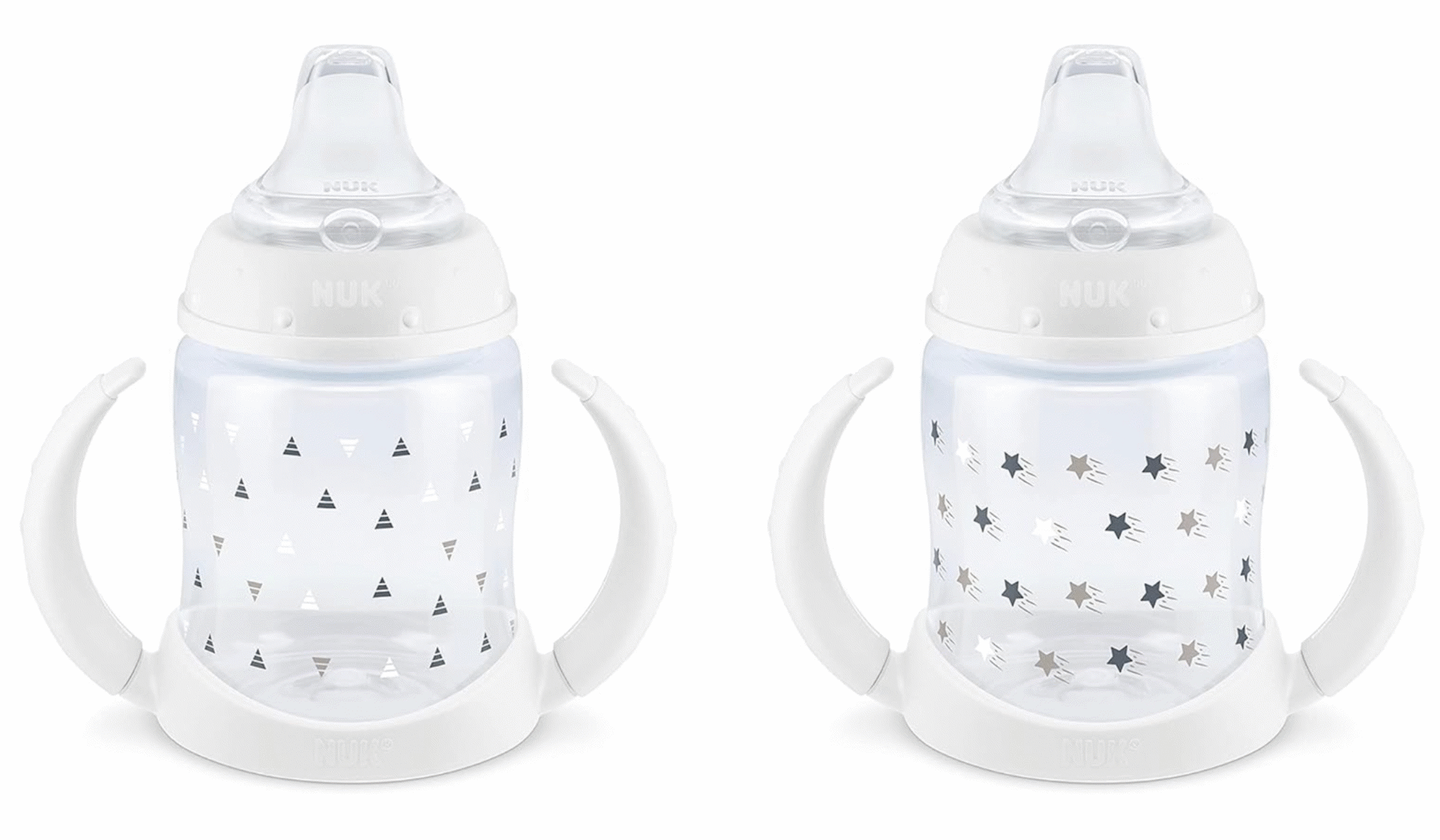
They may play with the cup at first, thinking it's a toy, and struggle to drink from it with ease. You can expect this to be a little messy at first! For now, you can experiment with a variety of lightweight, unbreakable cups of different shapes and sizes.
This will help you discover what kind of cup works best for your baby. Stick with water for the time being since there will likely be some spillage as they navigate their way around using this new device!
Essential content for you
Products for you
The information on the Your Baby Club website is not intended to be a substitute for professional medical advice, diagnosis or treatment. Always discuss any health concerns with a qualified healthcare provider and carefully review all guidance that comes with any medications or supplements before taking.